


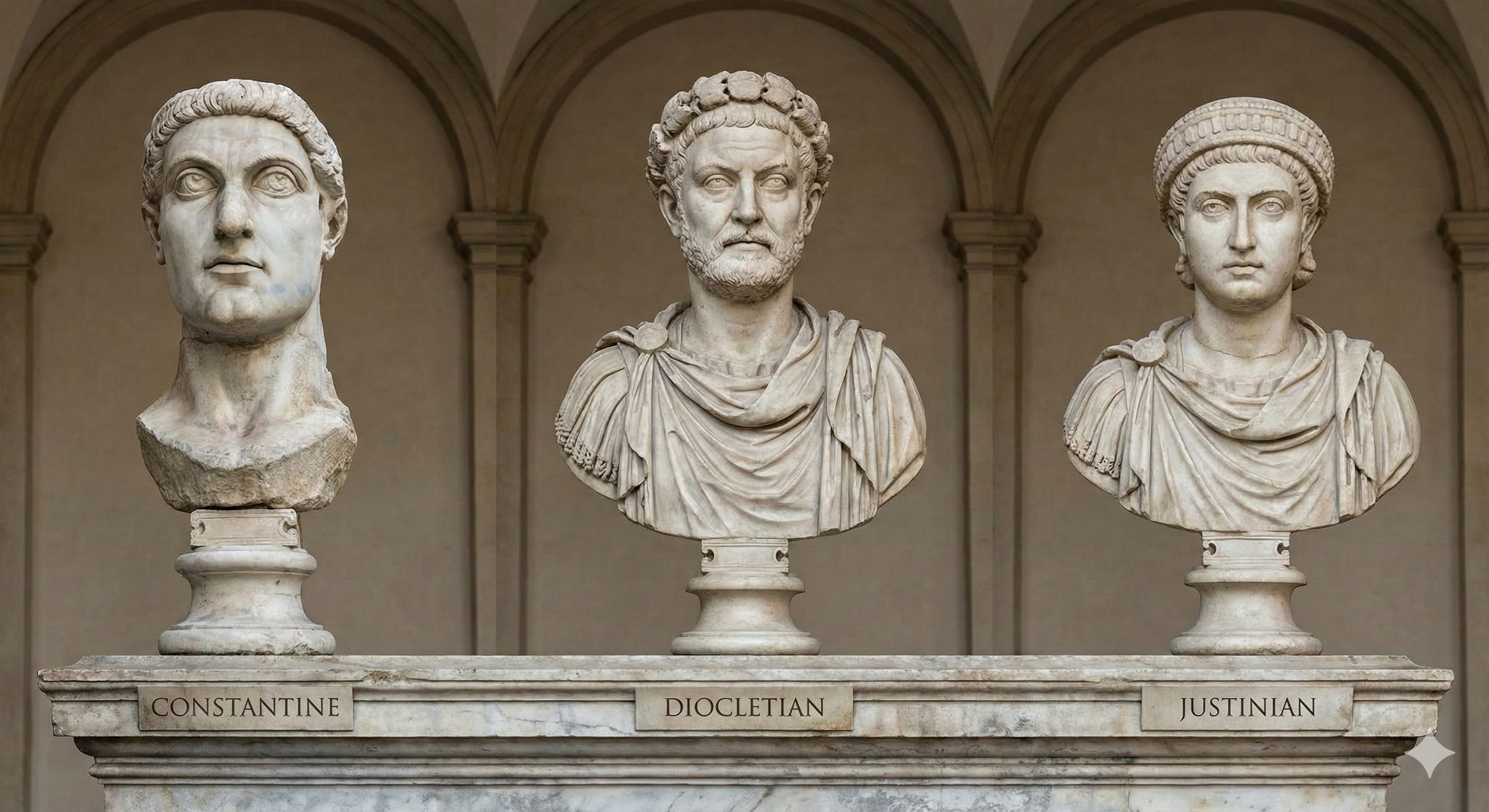
History doesn’t repeat itself, but it rhymes structurally.
The third century nearly killed Rome - not through military defeat, but through the indifference the senatorial class that had grown too comfortable, wealthy and complacent to care about the survival of the empire. The hard work of preserving the empire - administrative reforms, military modernization, painful fiscal restructuring - fell to men the Senate would have once considered beneath them.
Diocletian from Dalmatia, Constantine Moesia, Justinian from Thrace. Provincial soldiers, not Romans. They imposed the reforms the Senate refused to contemplate - price controls to combat inflation, administrative reorganization to restore governance, military professionalization to secure borders. A new religious foundation to replace the exhausted civic cult. As Kris explained in a recent Substack video - Rome didn’t survive because the Romans saved it. It survived because outsiders did the work insiders wouldn’t.
The parallel to contemporary America is unavoidable. The American elites treat the nation as nothing but an ATM - most have little to no interest in saving the empire, they’d rather cooperate with other empires to keep and grow their wealth. They are insulated by their wealth. Tech oligarchs pursue Mars colonies while infrastructure crumbles. The political class treats governance as performance art, and when someone proposes serious reform - be it industrial policy to rebuild manufacturing, antitrust enforcement to contain monopolies, labor protections to share prosperity - they’re dismissed as naive or dangerous.
Only two American institutions still seem to care about preserving American power: the U.S. Senate and the Pentagon. Meanwhile, the real work of sustaining the Western alliance is happening abroad. Friedrich Merz in Berlin is pushing Europe toward strategic autonomy and military modernization. Shigeru Ishiba in Tokyo is coordinating with the Pentagon to secure Indo-Pacific supply chains. Trade relationships are being restructured, defense cooperation deepened, technological partnerships expanded - all with minimal input from a White House that views allies as marks to be extorted.
Just as provincial soldiers saved Rome when Roman elites abdicated responsibility, European and Asian leaders must now save the Western alliance from an American administration actively trying to destroy it.
The Greenland Extortion and What It Taught Europe
On January 17, 2026, Trump threatened eight NATO allies - Denmark, Norway, Sweden, France, Germany, the United Kingdom, the Netherlands, and Finland - with 10% tariffs, escalating to 25% by June 1, unless they supported “the complete and total purchase of Greenland.”
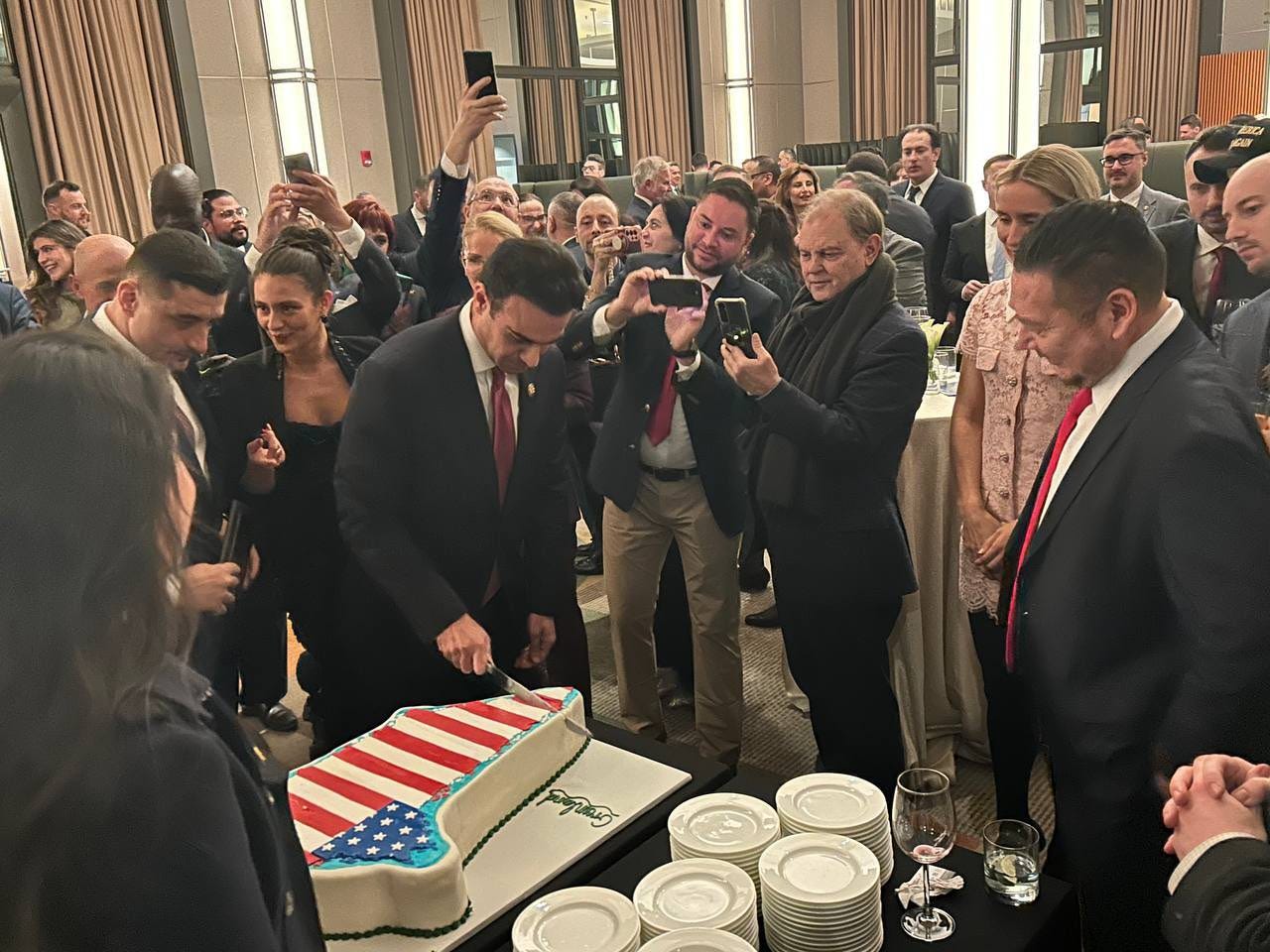
These aren’t adversaries. These are America’s closest allies. Countries that stood with the United States through the Cold War, Afghanistan, Iraq, and every security crisis of the past seventy years. The tariff threat came after these nations sent troops to Greenland for joint military exercises - exercises Trump called “a very dangerous situation for the Safety, Security, and Survival of our Planet.” Not Russian aggression. Not Chinese expansionism. NATO allies conducting defensive exercises.
European leaders responded with (surprisingly) unprecedented unity. The eight targeted nations issued a joint statement warning that “tariff threats undermine transatlantic relations and risk a dangerous downward spiral.”
Then Europe showed teeth. According to reporting, France pushed for deploying the EU’s “anti-coercion instrument” - essentially a trade bazooka that could restrict U.S. suppliers’ access to EU markets, exclude them from public tenders, and impose limits on foreign direct investment. The European Parliament suspended work on the U.S.-EU trade deal that had been reached last summer. European Commission officials began drafting plans for nearly $110 billion in retaliatory tariffs targeting Boeing aircraft, Kentucky bourbon, and American soybeans.
And critically, as analysts noted, bond markets began pricing in the risk of a U.S.-European trade war. Global bond yields spiked. Trump, whose administration had already been watching market reactions nervously, blinked.
Four days later, after arriving in Davos and meeting with NATO Secretary-General Mark Rutte, Trump announced a “framework of a future deal” and canceled the tariffs. He publicly ruled out using force to seize Greenland for the first time.
The “deal”? According to NATO spokesperson Allison Hart, Rutte “did not propose any compromise to sovereignty.” The framework focused on “collective efforts” to uphold Arctic security - which is precisely what the United States already had access to under the 1951 Defense of Greenland Agreement. Trump got nothing he didn’t already have. Europe got him to back down from threatening America’s closest allies with economic warfare.
As Ole Wæver, a professor at the University of Copenhagen said: Trump’s framework would be nothing more than a face-saving “pretend” deal. What Europe learned from this spectacle is that when faced with unified resistance and credible economic countermeasures, Trump folds.
MAGA’s Systematic Interference in European Democracy
Europe’s enemy is not America. It is Trump, JD Vance, Musk, Pete Hegseth, the tech oligarchy, and MAGA.
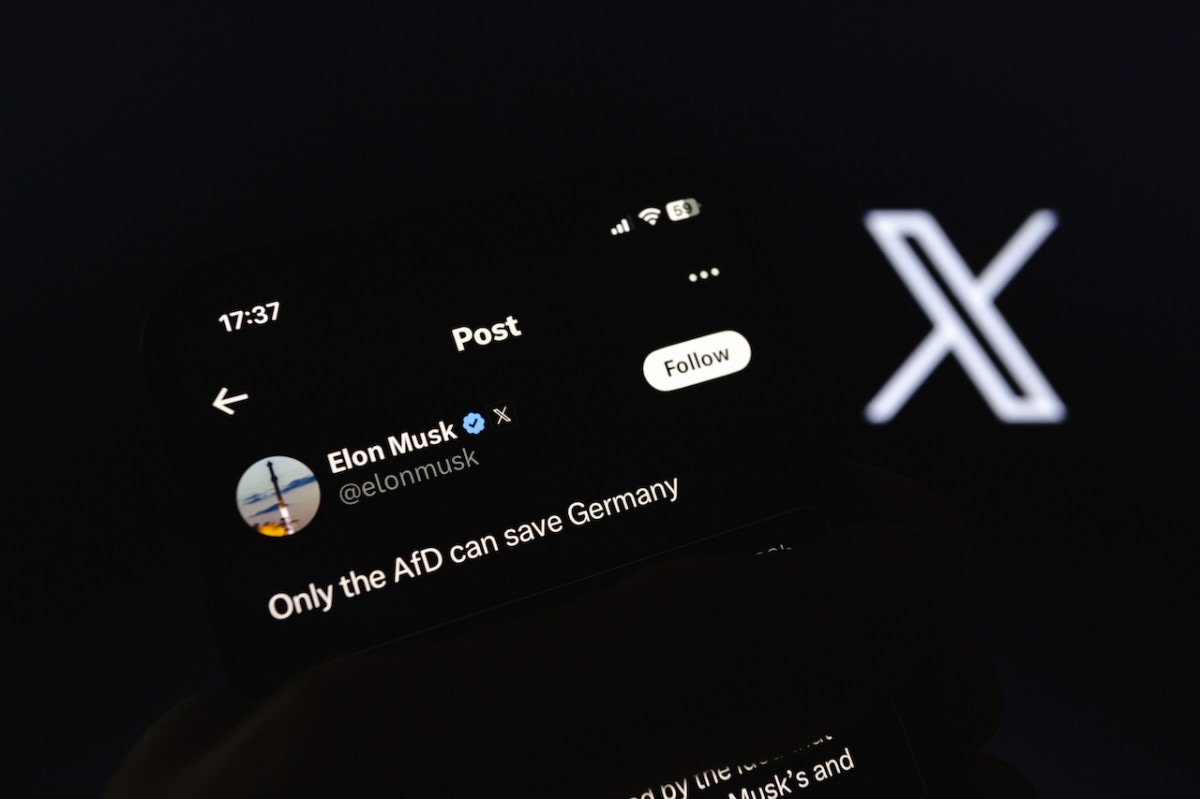
According to extensive reporting, since Trump took office in January 2025, dozens of AfD officials have traveled to the United States for meetings with lawmakers and administration officials. In Germany’s February 2025 election, Elon Musk tweeted that “only AfD can save Germany.” Vice President JD Vance met with AfD co-leader Alice Weidel while in Munich, then criticized German politicians at the Munich Security Conference for maintaining democratic “firewalls” against the AfD.
In Romania, when the pro-Russian candidate Călin Georgescu unexpectedly led the first round of the presidential election in November 2024 ended up getting barred from the re-run after Romania’s Constitutional Court annulled the results citing evidence of Russian interference via TikTok, Musk called it “crazy” and accused George Soros of orchestrating the ban. Vance criticized Romania at the Munich Security Conference, arguing the decision was “based on the flimsy suspicions of an intelligence agency” and suggesting Romania’s democracy “wasn’t very strong” if Russia could “destroy it with a few hundred thousand dollars of digital advertising.”
When the centrist Nicușor Dan won Romania’s May 2025 presidential election, defeating George Simion of the hard-right AUR party, both Musk and David Sacks cast doubt on the election’s legitimacy, directly contradicting the U.S. ambassador to Romania who praised the democratic process.
In the United Kingdom, Musk initially backed Nigel Farage’s Reform UK party, with reports of a potential $100 million donation. Research by Cavendish Consulting found that Reform UK’s five MPs received 50% of total engagement on X despite making up just 3.5% of Parliament, with their posts drastically boosted through Musk’s algorithmic manipulation and direct retweets. When Farage distanced himself from far-right activist Tommy Robinson, Musk turned on him, declaring “Farage doesn’t have what it takes” and backing the even more extreme Advance UK party instead.
This is not accidental engagement with European politics. This is systematic interference designed to destabilize European democracies by supporting dangerous Euroskeptic movements that align with MAGA’s worldview. And Musk has been explicit about his goals.
In December 2025, after the European Commission fined X €120 million for violating transparency rules under the Digital Services Act, Musk called for “the EU to be abolished and sovereignty returned to individual countries.” He described the EU as a “tyrannical, unelected bureaucracy oppressing the people of Europe” and compared it to the Third Reich. Secretary of State Rubio called the fine “an attack on all American tech platforms and the American people by foreign governments.” The Trump administration’s National Security Strategy warned of “the prospect of civilizational erasure” in Europe because of immigration and called for “cultivating resistance to Europe’s current trajectory within European nations.”
None of this implies alliance. None of this is how you treat partners. This is how you treat targets for regime change.
The Bolshevik Psychology of MAGA
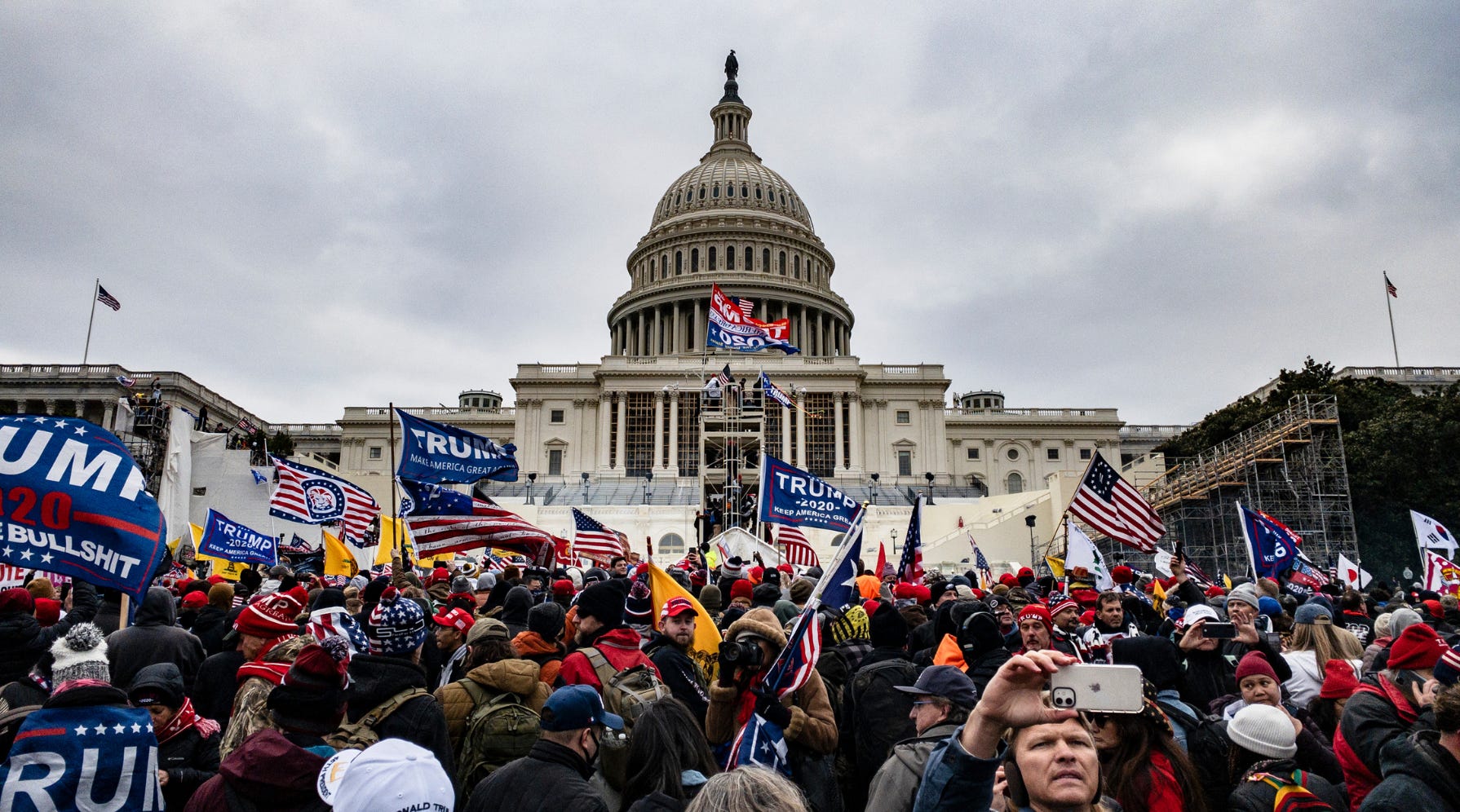
I’ve argued before that MAGA operates on Bolshevik political psychology. Both are rooted in ressentiment - that particular species of resentment where success, education, expertise, or institutional authority are treated as inherently illegitimate. Competence itself becomes evidence of conspiracy. Institutions become enemies of the people.
Many people objected to this comparison. But every time a MAGA figure opens their mouth, they prove it.
Success of your ideological enemies equals default guilt. Expertise equals conspiracy. Institutions equal tyranny.
When Vance tells European leaders there’s “no room for firewalls” against the AfD, he’s not making a policy argument. He’s demanding that democratic norms be abandoned because the “elites” who believe in those norms - the politicians, judges, civil servants who staff democratic institutions - are inherently illegitimate.
When Musk declares that “only AfD can save Germany,” he’s saying the entire German political establishment - the mainstream conservatives who rebuilt Germany after the war, the social democrats who created the Wirtschaftswunder, the institutions that made Germany the economic engine of Europe - are the problem.
Tear down the institutions. Delegitimize expertise. Replace governance with strongman rule.
The Strategic Pivot Europe Must Make
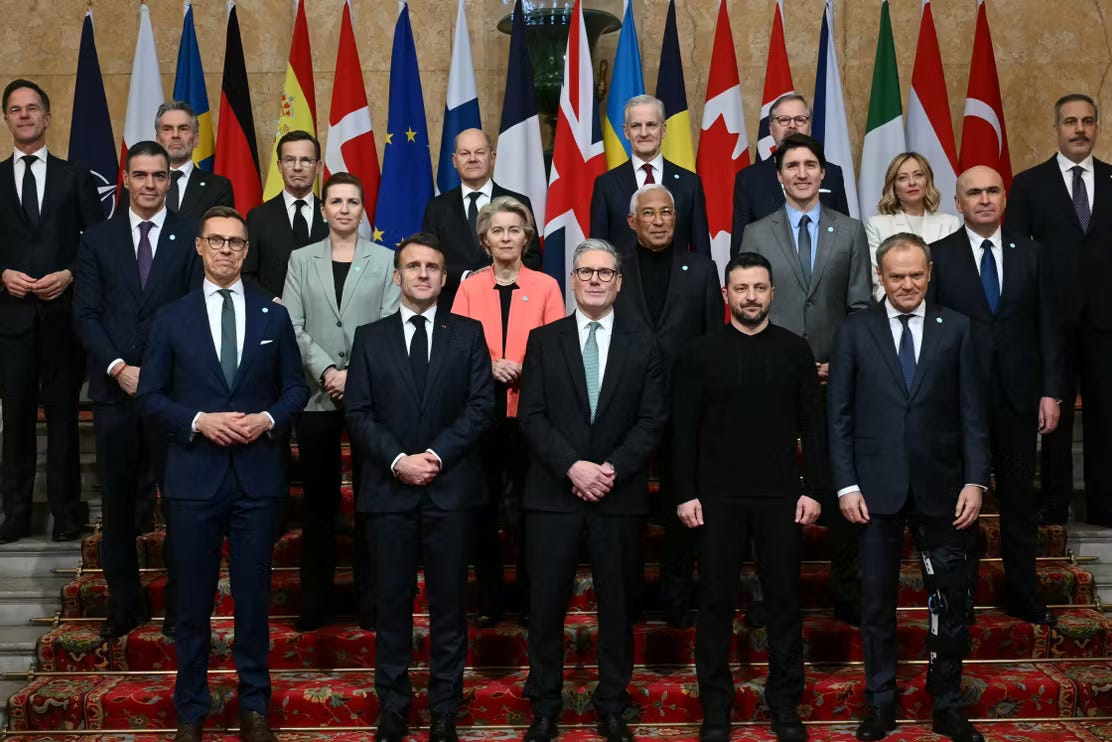
Europe needs to stop trying to negotiate with Trump. Stop sending delegations to Mar-a-Lago. Stop treating every unhinged tariff threat as a serious policy proposal requiring diplomatic engagement. Stop appeasing, complimenting, and keeping your mouths shut when he speaks Kremlinite or says things that are factually incorrect.
Ignore Trump. Do business with the parts of America that still operate rationally.
Just as MAGA engages directly with AfD while bypassing the legitimate German government, Europe should engage directly with consensus U.S. politicians - governors, senators, business leaders - while bypassing the White House.
Build relationships with the governors of California, New York and other states that are global economies engines. Strengthen ties with Senate leaders who still believe in NATO. Partner with American companies that understand they need stable trading partners.
Prepare diplomatic relationships to push a consensus president in 2029, and as a contingency plan, maintain strong relationships with state governors who will remain committed to transatlantic cooperation even if 2029 don’t deliver a consensus president or worst case scenario - the American federalism fractures.
What Merz Understands
Germany’s new Chancellor Friedrich Merz gets it. Elected in May 2025, Merz declared:
“My absolute priority will be to strengthen Europe as quickly as possible so that, step by step, we can really achieve independence from the USA.”
Unlike his colleague in France - Macron - who is historically more inclined to outright cut the umbilical cord with the U.S., Merz is more measured. He’s not talking about abandoning the transatlantic alliance, but recognizing that the current American administration is unreliable, hostile, and actively working against European interests.
Merz came into office declaring Germany must transform from “a sleeping to a leading middle power.” He’s creating a National Security Council. He secured a €500 billion special fund for infrastructure and lifted the debt brake on defense spending. He’s working with Macron, Starmer, and Polish Prime Minister Donald Tusk to rebuild European security architecture.
When asked about the AfD, Merz was blunt: “We do not work with a party that is hostile to foreigners, that is antisemitic, that harbors right-wing extremists and criminals in its ranks, that flirts with Russia and that wants to withdraw from NATO and the European Union.”
The Individual State Strategy
While Trump alienates allies, Europe should build relationships with American states and cities that understand what’s at stake.
California’s economy alone would be the world’s fifth-largest. New York is the financial capital of the planet. Washington State is home to Boeing and Microsoft. These states have governors, legislatures, and business communities horrified by what’s happening in D.C.
Trade agreements can be structured at the state level. Research partnerships can be established with American universities. Defense cooperation can continue through military-to-military relationships that bypass political interference.
If Trump wants to treat allies like adversaries, Europe can treat American states like the rational actors they are - independent of the chaos in Washington D.C.
The Pentagon Still Matters. A Lot!
The professional military understands what’s happening. They know NATO is essential. They know abandoning allies creates power vacuums adversaries will fill. They know Greenland extortion schemes damage American credibility.
Europe should maintain and deepen military-to-military relationships. Joint exercises. Intelligence sharing. Defense procurement that keeps American companies invested in European security.
The Pentagon will outlast Trump. The question is whether European relationships with the Pentagon remain strong enough to rebuild transatlantic cooperation when MAGA inevitably collapses under the weight of its own contradictions.
Preparing for 2029 - Or Worse
Trump won’t be president forever, but Europe needs to be ready for a better, consensus president in 2029, or worse. Much worse.
If a consensus president wins in 2029, European relationships with American governors, senators, and business leaders will matter enormously. Those relationships will determine whether the transatlantic alliance can be rebuilt quickly.
If a worse version of the MAGA movement occurs and even more hostile and isolationist president wins in 2029, Europe will need these partnerships already in place even more, since there will be states that would like to retain their trade and cooperation with allies.
This isn’t alarmism. According to the Kiel Institute for the World Economy, American importers and consumers bore 96% of the tariff burden under Trump’s first eleven months back in office, paying $277 billion in import taxes while foreign exporters paid only $11.5 billion. The economic pain Trump is inflicting on his own population is unsustainable. And as we all know, economic hardships can make or break a country. Europe needs to be prepared for the good, the bad and the ugly.
What Happens If Europe Gets This Wrong
If Europe continues trying to appease Trump, it will fail. Trump doesn’t operate in good faith. He makes threats, backs down when faced with resistance, then makes new threats. This isn’t negotiation. It’s abuse.
Meanwhile, MAGA will continue supporting far-right movements across Europe. They’ll keep funding AfD. They’ll keep legitimizing Le Pen’s National Rally in France. They’ll keep working to fracture European unity.
And when the next crisis hits - when Russia makes another move, when China tests Taiwan, when a pandemic emerges - America won’t be there.
Europe will be alone because it wasted years trying to maintain a relationship with people who fundamentally don’t believe in alliances.
Conclusion: Strength Over Appeasement
Rome survived because outsiders stepped in when insiders failed. Diocletian wasn’t born in Rome, but he saved the empire. Constantine wasn’t raised in the Senate, but he gave Rome new foundations.
Europe shouldn’t wait for America to fix itself. It should build the relationships, institutions, and capabilities needed to preserve the Western alliance despite the current American administration.
Stop negotiating with MAGA. Start building relationships with consensus America. Strengthen ties with California, New York, Washington, etc. Work with senators and governors who still believe in alliances. Partner with the Pentagon. Prepare for 2029.
And above all: recognize that MAGA is not America. It’s a hostile faction that will eventually collapse under the weight of its own contradictions and the economic pain it inflicts on American citizens.
Europe’s enemy is not the American people. Europe’s enemy is Trump, JD Vance, Musk, Hegseth, and the Bolshevik-style ressentiment politics that treats competence as conspiracy and institutions as enemies.
The West will survive this. But only if Europe stops trying to appease the unappeaseble and starts building the future with Americans who actually care about preserving it.
Deal from strength, not appeasement. That’s the lesson Greenland taught. That’s what Rome teaches. That’s what survival requires.
Very well and impressively written!
I can find multiple quotes from the Oracle of Tirana!
Great text. Started reading you today and I love already every text I read. Thank you so much.